
How to buy a diamond without overpaying
Two diamonds with identical grades can look wildly different — and cost it. After years of grading stones at our counters, here's the framework we use ourselves: what each of the 4Cs really does, which one never to compromise, and where the smart money saves.
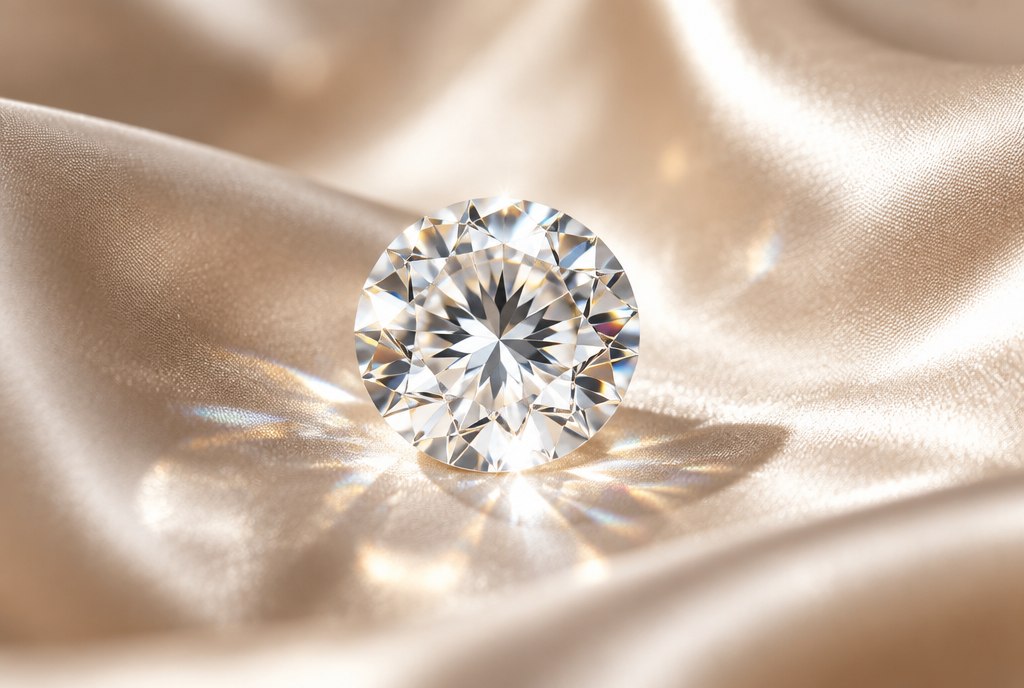
Graded by labs, judged by eyes
Every natural diamond we sell is certified by an independent laboratory — GIA or IGI — and graded on the 4Cs: cut, color, clarity and carat. The certificate is your protection, and the report number is laser-inscribed on the stone's girdle.
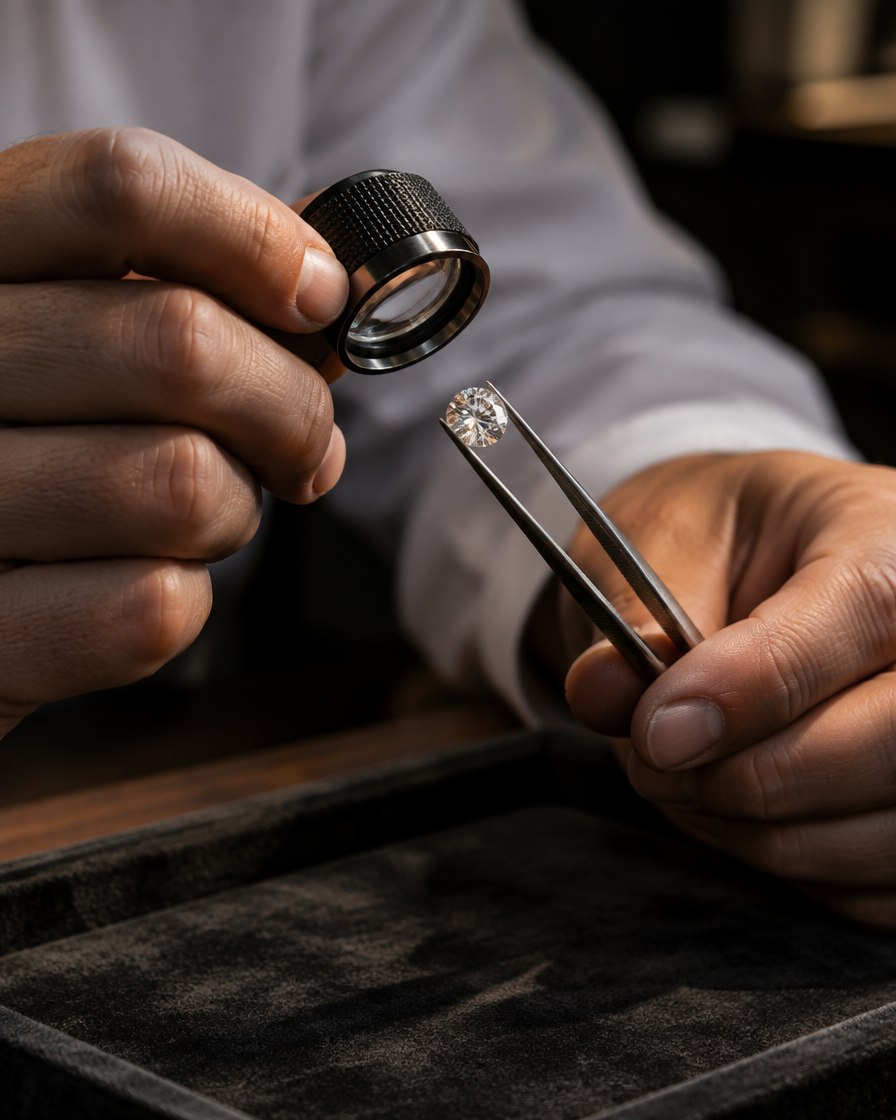
But certificates don't sparkle — stones do. That's why we encourage every customer to compare diamonds side by side under our lights before deciding. The right diamond is the one that performs, not just the one that papers well.
GIA & IGI certified
Compare stones in person
Loupe every stone with us
Carat is weight, not size — and not sparkle
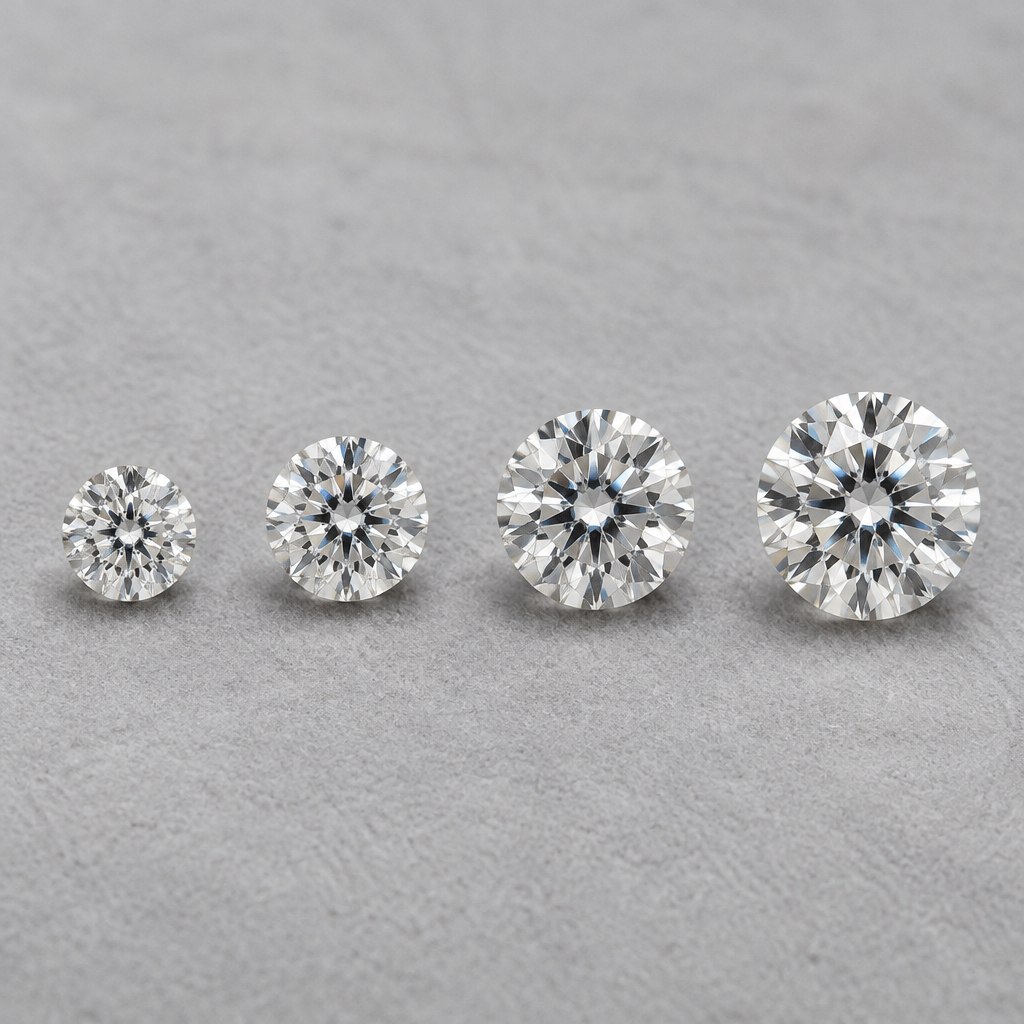
A carat is 0.2 grams — a measure of weight, not beauty. A well-cut 0.90ct diamond can face up larger and brighter than a poorly cut 1.00ct stone, while costing meaningfully less.
Prices jump at round numbers (0.50, 1.00, 1.50ct). Buying just under a magic mark — 0.93ct instead of 1.00ct — is one of the oldest insider moves in the business, and your eye will never know the difference.
Where your money actually goes
| What it means | The sweet spot | Where people overpay | |
|---|---|---|---|
| Cut | Proportions & finish — the engine of sparkle | Excellent / Ideal | Settling for 'Good' cut to gain carat size |
| Color | Whiteness on a D–Z scale | G–H (I in yellow gold) | D–F colorless grades nobody can see once set |
| Clarity | Freedom from inclusions, FL to I3 | VS2 / SI1 eye-clean | VVS+ grades that need a microscope to matter |
| Carat | Weight: 1ct = 0.2g | Just under round marks | 1.00ct+ 'magic numbers' with visible price cliffs |
The 4Cs, ranked honestly
1. Cut — never compromise
Cut controls the light. An Excellent-cut diamond out-sparkles a bigger, cleaner, whiter stone with a mediocre cut every single time. Spend here first.
2. Color — G to I is the value zone
Colorless D–F commands premium prices, but G–I looks white once set — especially in yellow gold, where the metal's warmth hides a grade or two.
3. Clarity — buy eye-clean, not flawless
VS2 and SI1 stones look identical to FL under any normal viewing — the inclusions need a microscope to find. Paying for VVS clarity is paying for a line on paper.
4. Carat — buy shy of the mark
0.93ct instead of 1.00ct, 1.40ct instead of 1.50ct. Same visual size, noticeably kinder price. Weight is where flexibility pays best.
Our honest take
If we were spending our own money: Excellent cut, G–H color, eye-clean VS2–SI1 clarity, and a weight just under a round number. That combination buys a stone that performs like a showpiece for thousands less than the 'all-A's' certificate hunters pay. And if size-per-dollar is the top priority, ask us to show you lab-grown side by side with natural — we'll put both in your hand and let your eyes decide.
Questions we hear every week
Cut, by a wide margin. Cut determines how much light the stone returns to your eye — an Excellent cut makes a modest diamond look alive, while a poor cut makes an expensive one look sleepy. It's the one C we never let a customer trade away.
See the difference in person
Browse certified diamonds online with insured shipping — or visit a showroom and compare stones side by side under the loupe with our own jewelers.
More from the jeweler's bench