
10K, 14K, 18K — what the stamp really means
That tiny stamp inside your ring is a purity grade, a durability rating and a price tag all at once. Here's what each karat actually gives you — and which one we'd put on your hand, based on how you live.
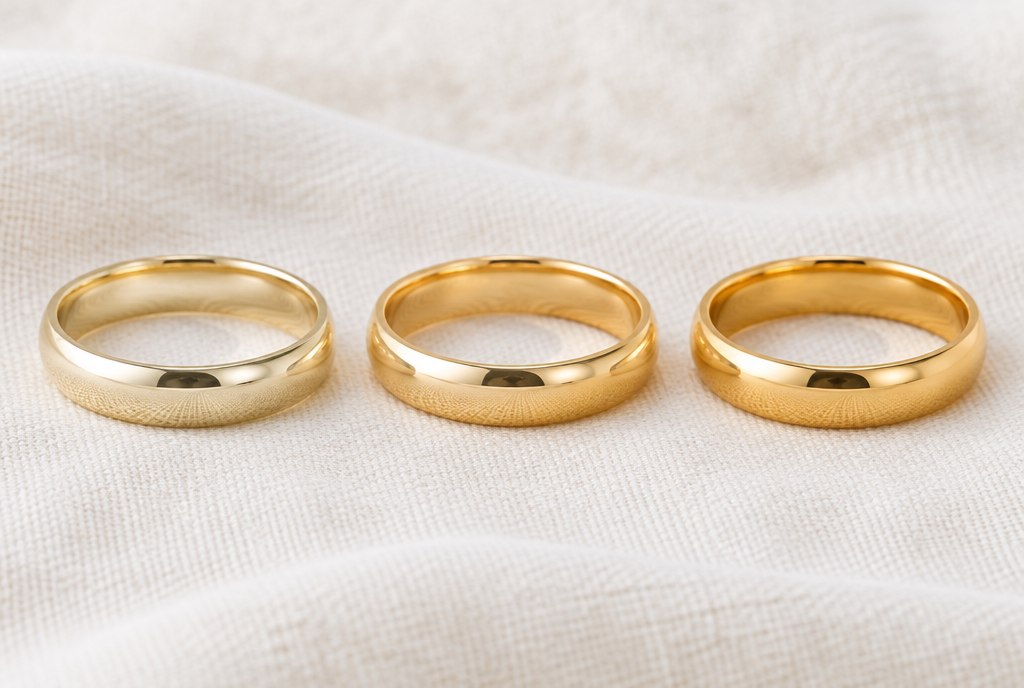
Karat is purity, measured in 24ths
Pure gold is 24 karats — 24 parts gold out of 24. But pure gold is soft enough to dent with a fingernail, so jewelers blend it with stronger metals like copper, silver and zinc. The karat stamp tells you the blend: 14K means 14 parts gold out of 24 (58.5%), 10K means 41.7%, and 18K means 75%.
Everything we sell is stamped and tested in-house — and if you're selling, we test and weigh right at the counter where you can watch every number.
Stamped & tested in-house
Priced by weight & purity
Weighed in front of you
Same word 'gold', very different metal
A 10K chain and an 18K chain can look near-identical across a room — but one is nearly twice the gold of the other. That's why two pieces of the same weight can be priced far apart, and why we always quote purity alongside price.
When you sell to us, purity is exactly what we pay on: we assay each piece, multiply by the day's live gold rate, and show you the math.

The three karats, side by side
| 10K Gold | 14K Gold | 18K Gold | |
|---|---|---|---|
| Pure gold | 41.7% | 58.5% | 75% |
| Durability | Hardest — most scratch & bend resistant | Strong — ideal everyday balance | Softer — handle with a little care |
| Color | Lighter, paler yellow | Warm classic gold | Deep, rich, unmistakable |
| Price | Most affordable | Middle — best value per gram of gold | Premium |
| Best for | Active hands, workwear, budget gifts | Engagement rings, chains, daily wear | Special-occasion and heirloom pieces |
Which karat fits your life
10K — the workhorse
The hardest, most durable gold alloy and the friendliest price. If your hands work hard — tools, gym, ranch — 10K shrugs off what would scar softer gold.
14K — the sweet spot
Nearly 60% pure gold with real durability — the most popular karat in America for a reason. Our default recommendation for rings and chains worn every day.
18K — the rich one
Three-quarters pure gold with a depth of color you can spot across the room. Softer, yes — but for pieces worn on occasions, nothing else looks like it.
Our honest take
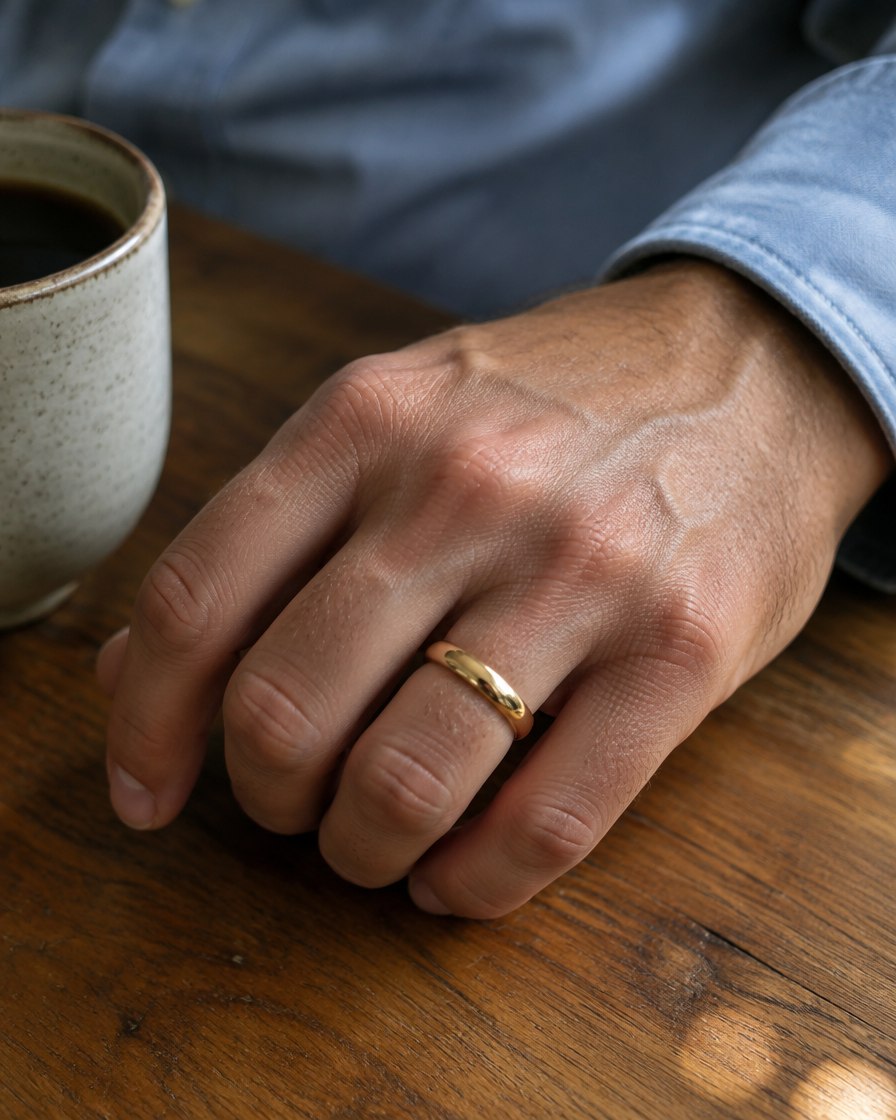
For most people wearing a piece every single day, 14K is the answer — real gold richness with the strength to match a real life. Go 10K if the piece will take abuse or the budget matters more than the blend. Go 18K when the piece is meant to be treasured, not tested. And whatever anyone tells you elsewhere: there is no bad choice among them — only the wrong choice for how you wear it.
Questions we hear every week
Yes — 10K is legally real gold in the US, at 41.7% purity. Anything stamped 10K, 14K or 18K is a genuine gold alloy; the difference is how much pure gold is in the mix, not whether it's 'real'.

Have gold to sell — or a karat to choose?
Bring pieces in any condition for a free, no-pressure valuation at the counter — or browse solid gold online and pick up at any of our three Texas showrooms.
More from the jeweler's bench